Anyone who's been through a move before knows: the kitchen is the trickiest room in the house when it comes to packing. Fragile dishes, electrical appliances, bottles, spices, and countless small items that scatter easily all make "how do I pack my kitchen for a move" one of the most common questions we get before every relocation. Unprofessional kitchen packing is the number one cause of damage, breakage, and boxes that fall apart halfway through the trip.
This guide is for anyone planning a move in 2026 who wants to know exactly what happens during kitchen packing - families relocating, young couples, and homeowners who want to DIY it or simply understand what's included in a professional packing service. The difference between a kitchen that's thrown together in a chaotic rush and one that arrives intact and organized at the new home comes down to method, not the amount of time you put in.
At Wava Moving Services, we see dozens of kitchens packed up every week, and we've learned which methods work and which ones lead to damage. In this guide, we'll walk through the entire process step by step, including common mistakes and realistic time estimates to help you plan your move smoothly.
Why Kitchen Packing Needs Special Attention
An average kitchen contains between 200 and 400 individual items - from dinnerware to cleaning supplies. A large portion is fragile (glassware, ceramics, china), some is leak-prone (oils, cleaning products), and some requires special handling due to weight or size (heavy appliances, large pots). This combination creates a challenge unlike any other room in the house.
Unlike a living room or bedroom, where large items can be packed relatively easily, every box in the kitchen requires a decision: what goes together, how much wrapping paper is needed, and how to keep the contents from shifting during transport. Packing that ignores these principles leads to broken dishes, spilled sauces, and boxes collapsing under their own weight.
The Step-by-Step Kitchen Packing Process
Step 1: Sort and Map Out Your Items
Before you open a single box, go through the entire kitchen and decide what's moving with you, what's getting donated, and what's getting tossed. This is the step most people skip - and it's a mistake. Sorting in advance cuts down actual packing time and prevents you from wasting effort packing things that never needed to come along in the first place.
Step 2: Prepare the Right Packing Materials
Every type of item needs different wrapping. Glass and ceramic items get wrapped in multiple layers of packing paper, plates are stacked vertically in dedicated dish boxes, and glasses are wrapped individually. Cleaning products and liquid bottles go into sealed bags, stored separately from everything else - so if something leaks, it won't damage other items.
Step 3: Packing Fragile Items
Fragile items should only go in small or medium boxes - never large ones, since the added weight creates pressure that causes breakage. Each layer is separated with wrapping paper, and the box is filled completely so there's no empty space left for items to shift during the drive.
Step 4: Disconnecting and Handling Appliances
Washing machines, dishwashers, microwaves, electric kettles, and food processors - each one needs different treatment. Large appliances are unplugged and secured with cords wrapped and tied down, while smaller appliances are packed in boxes with sufficient padding around them.
Step 5: Labeling Boxes and Prepping for Loading
Every box gets labeled by contents and destination room, with a "fragile" note wherever relevant. Proper labeling saves time during unpacking and ensures fragile boxes get loaded and placed correctly - not at the bottom of the truck under heavy items.
Step 6: Loading and Transport
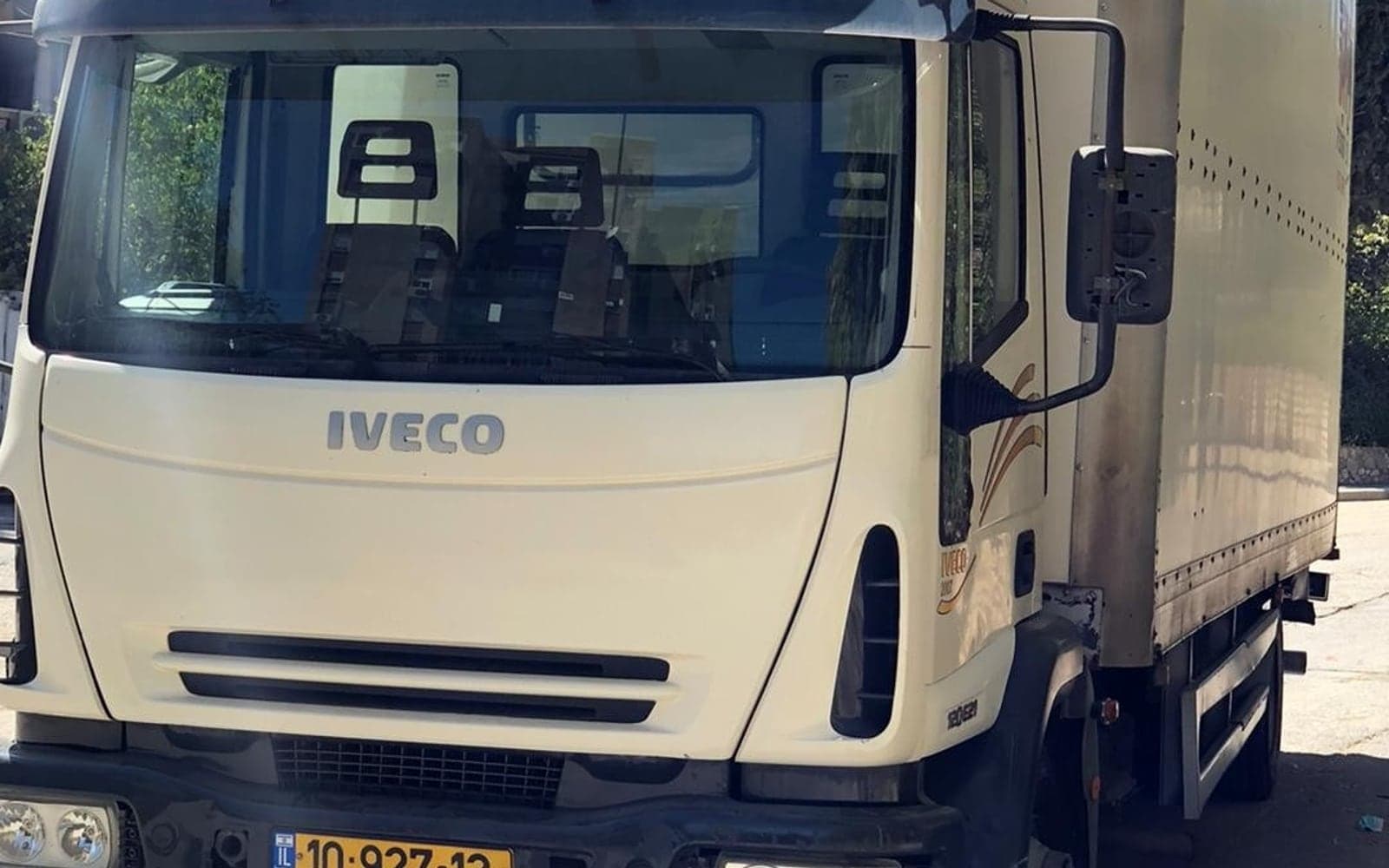
Kitchen boxes are loaded with a clear strategy - heavy items at the bottom, fragile ones on top and never under additional weight. An experienced crew knows how to distribute weight correctly so the load stays stable throughout the drive.
Realistic Time Estimates
- Sorting an average kitchen's contents: about 1-2 hours
- Fully packing a small-to-medium kitchen (2-3 room apartment): about 2-3 hours of work
- Fully packing a large kitchen: about 4-5 hours of work
- Disconnecting appliances and gas fixtures: about 30-60 minutes
- Loading kitchen boxes onto the truck: about 20-30 minutes depending on volume
What to Prepare in Advance for a Smooth Process
Stock up on small and medium boxes (not large ones) before moving day, and make sure you have enough wrapping paper and sealable bags for liquids. It's worth using up or clearing out your fridge before moving day, and disassembling any equipment you don't need daily a few days ahead of time. If you'd rather not deal with all this yourself, check out our services page for professional packing options that take this entire step off your plate.
Common Mistakes and How to Avoid Them
1. Packing Heavy Items in Large Boxes
A large box filled with glass and ceramic items becomes extremely heavy and tends to tear or collapse. The fix: stick to small-to-medium boxes for fragile items only.
2. Not Using Enough Wrapping Material
Thin wrapping causes scratching and breakage during transport, even on smooth roads. Wrap every fragile item individually and fill any empty space inside the box.
3. Packing Liquids Without Double Sealing
Oil bottles, sauces, and cleaning products can leak during the drive. Seal the cap with plastic wrap and place the item in a separate bag.
4. Leaving Boxes Unlabeled
Unlabeled boxes mean you end up opening every single one just to find a basic item. Labeling in advance saves hours during unpacking.
5. Putting Off Packing Until Moving Day
Packing under time pressure leads to mistakes and damage. Starting gradually a few days ahead significantly reduces mishaps.
6. Ignoring Total Box Weight
An overly heavy box is hard to lift and prone to tearing. Weigh the load mentally and spread heavy items across several smaller boxes instead.
What Happens After the Job Is Done
At the end of the move, a joint check is done with the customer to confirm all boxes and equipment arrived intact. With a move-and-pack service, the crew also helps unpack kitchen boxes and do initial placement of items in the destination room. We recommend testing electrical appliances after the move and confirming they're connected and working properly before moving on to unpacking the rest of the house.
What does kitchen packing cost as part of a move?
A move with professional packing service starts at just 999 NIS per apartment, including help packing your entire home's contents, kitchen included. The final price is set in a quote after measuring and adjusting for your actual volume of belongings.
How long does it take to pack an entire kitchen?
On average, fully packing a kitchen in a 2-3 room apartment takes about 2-3 hours of work, and larger apartments take about 4-5 hours, depending on the amount of equipment and how much pre-packing was already done.
What packing materials do I need for the kitchen?
You'll need small and medium boxes (not large ones), multi-layer wrapping paper, sealable bags for liquids, and strong packing tape. These materials form the foundation for safely packing fragile items and liquid products.
How do you pack appliances like microwaves and dishwashers?
Large appliances are disconnected from power and water, secured with cords wrapped and tied, and packed with sufficient padding. Smaller appliances are packed in separate boxes with wrapping material around them to prevent shocks during transport.
Can kitchen packing be combined with a full apartment move?
Absolutely - that's the most common approach. A move-and-pack service covers every room in the house, kitchen included, as part of one coordinated process with no need for separate scheduling.
Why Choose Wava Moving Services
- Hands-on experience packing kitchens of every size, from studio apartments to large houses
- Professional packing materials suited for fragile items and electrical appliances
- Experienced crews who know the right order of priorities for loading and unloading
- Flexible service - from a simple move to a full move with packing or storage included
- Personal attention and professional guidance from the first phone call to the final box
We're based in Rishon LeZion - the Dan Region is our home turf, and we reach any destination in the area quickly with no extra travel fees. We provide professional moving services across Rishon LeZion, Tel Aviv, Ramat Gan, Givatayim, Bnei Brak, Petah Tikva, Holon, Bat Yam, Or Yehuda, Azor, Lod, Ramla, Ness Ziona, Rehovot, and Modiin.
Planning a move and want your kitchen to arrive in one piece and perfectly organized? Contact us today at 055-5077951 or visit our contact page for a personalized quote.